Base Layers Matter More Than the Outer Layer
My first mistake was going straight to a thick sweatshirt or fleece. Those work fine for warming up, but once you're moving hard, you overheat fast and then you're sweating inside a heavy top with no way to regulate temperature. The better approach is a mid-weight moisture-wicking base layer. Something around 150g merino wool or a synthetic athletic fabric. You stay warm when you're standing around waiting for a court, and it doesn't soak through when you start sweating.
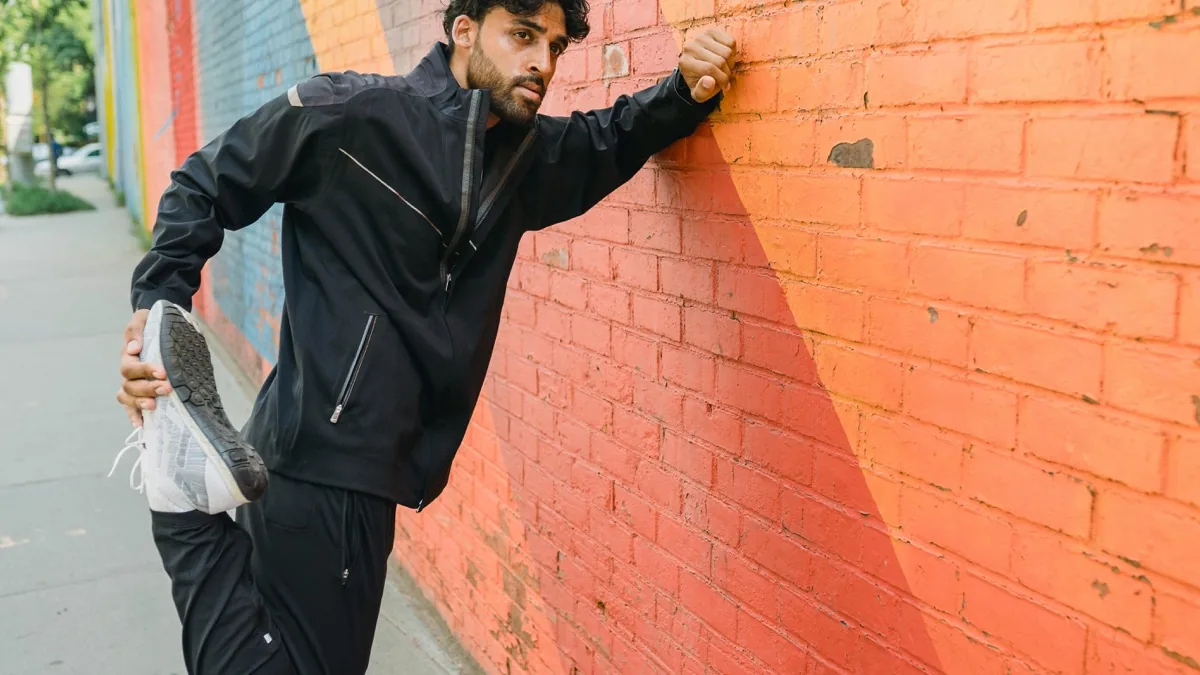
Over that, a light quarter-zip or a thin windbreaker gives you enough coverage for most Seattle fall and early winter days without adding bulk that affects your swing. The windbreaker doubles as rain protection, which matters here more than anywhere. I've had sessions where it wasn't technically raining but the air was so damp that a regular hoodie would be soaked in 30 minutes.
My current setup is a Patagonia Capilene base layer (around $65) under a cheap athletic quarter-zip I got on clearance for $28. That combination works down to about 38 degrees with good movement. Below that, I'm either putting on a second base layer or heading indoors to PickleRoll in Kirkland where it's warm and dry.
Gloves Are Necessary and Hard to Get Right
This was my biggest gear problem for the first two winters. I tried regular knit gloves, then running gloves, then those thin liner gloves from REI. None of them worked because they all either added too much grip material and changed how the paddle felt, or they were too bulky and I lost fine motor control at contact.
What actually works is a thin silicone-grip glove designed for grip sports in wet conditions. Some pickleball-specific gloves exist now, but the ones I've tried have been overpriced for what they are. Rain golf gloves are better. They're designed to improve grip when wet, they're thin enough that you don't lose paddle feel, and they're cheap.
My friend Rachel from the Rainier Valley league spent around $85 across four different glove pairs one winter before landing on a pair of rain golf gloves that cost $18. She still brings it up. 'I could have just bought the golf gloves first,' she says. She tells everyone who asks about cold-weather gear to skip the pickleball-branded options and start with rain golf gloves.
Hand Warmers Between Games
Disposable hand warmers, definitely. I keep a few in my bag from October to March. Not during play, but standing around waiting for a court or during a water break, sticking a warmer in each jacket pocket keeps your hands functional. The ones you snap and shake cost about $1 each and last two or three hours. It's a small thing but it makes a real difference when the temperature drops below 42 or so.
Shoes and Traction on Cold Courts
Cold surfaces are more slippery than warm ones. I didn't account for this for a while and had a couple of close calls, nothing that resulted in a fall but enough moments of 'that was almost bad' to make me pay attention. Court shoe outsoles are designed to grip hard courts, but their performance drops in cold conditions, especially if there's any moisture on the surface.
What helps is shoes with softer rubber outsoles and more surface contact. Hard rubber compounds get genuinely slippery below 45 degrees. Tom switched to ASICS Gel-Resolution a while back specifically because someone at the courts told him the rubber formula stayed grippier in cold weather. He's been happy with them through two Seattle winters now.
The main thing is to not show up to a cold-wet pickleball court in running shoes. Running shoes have less lateral support anyway, and the reduced traction in cold conditions makes them a real hazard for the quick direction changes the game requires. Court shoes aren't optional here, they're especially important when the temperature drops.
Ball Performance in Cold Weather
This one caught me off guard my first October. Outdoor pickleballs get noticeably harder and bouncier when the temperature drops. A ball that plays perfectly in August can feel like a rubber superball in 45-degree weather. The bounce gets higher, the ball travels farther off the paddle, and your shot timing has to adjust.
The plastic polymer used in outdoor balls stiffens in cold temperatures, which increases the rebound coefficient. Some players switch to indoor balls for cold outdoor play because they're softer and play more predictably. I don't do that because wind messes with indoor balls on an outdoor court. But I do adjust my timing consciously when it's cold. Balls come off the paddle a little hotter than they look like they should.
The first cold-weather session of the fall is always an adjustment period. Expect drives to go longer, resets to be harder to control, and your sense of pace to feel off. It normalizes after a session or two. Just knowing it's coming is most of the preparation you need.
What I Skip
Thick athletic tights or compression pants look logical when it's cold, but they slow down lateral movement enough that I notice it in play. I tried them for most of one winter, felt slower, and switched back to regular athletic shorts with a lightweight base layer underneath on really cold days. It looks a little ridiculous, but performance is better.
I also skip ear protection. Tried it twice. Wearing something over your ears affects how you track sound and it's just distracting when you're trying to react quickly. A hat handles most cold-weather conditions, and below the temperatures where a hat is enough, I'm going inside anyway.
Bottom line on cost: I probably spent $400 figuring all this out over four winters. Base layers, various gloves, different shoes, gear I tried and abandoned. The actual answer costs about $110 if you go straight to the right stuff. Mid-weight base layer, rain golf gloves, court shoes with soft rubber outsoles. Everything else is optional.