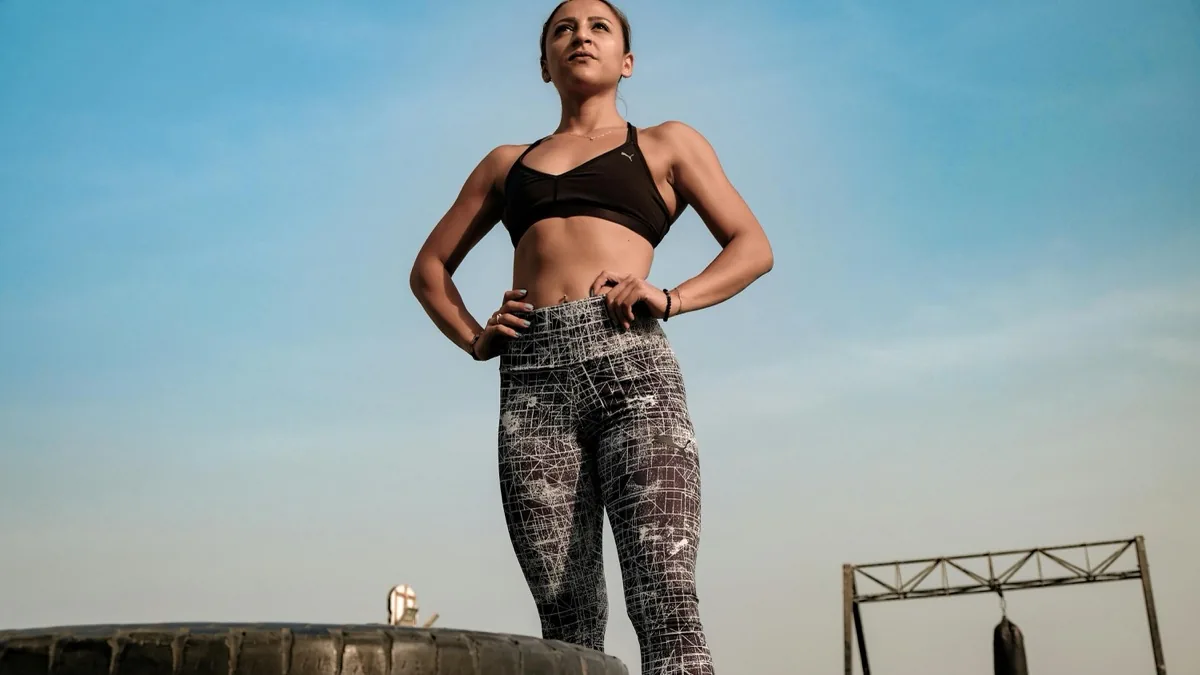
Step 1: Start With a Synthetic Shirt, and Bring Two More
The single biggest upgrade from rec play to tournament play is spare shirts. Any polyester or poly-blend athletic shirt works. It doesn't need to be pickleball branded, and it doesn't need to cost $60. The two shirts I wear most were $14 each.
Bring at least three for a full-day event. Changing into a dry shirt before medal matches is a real, tangible boost. You feel fresh, you stop chilling down between games, and you're not carrying an extra half pound of sweat around the court.
One rule worth knowing: tournament directors can ask you to change if your shirt is close to the color of the ball, since a yellow shirt against a yellow ball is legitimately hard to track. It's rare, but I've seen it happen once at a sanctioned event. Check the USA Pickleball rulebook if you want the fine print, and just avoid wearing the ball color to be safe.
Step 2: Shorts or a Skirt With Real Pockets
You need somewhere to put the second ball. That's the whole requirement. Basketball shorts without pockets, like my Tacoma disaster, mean you're setting the spare ball on the ground or handing it to your partner every point.
For guys, tennis-style shorts with deep side pockets are the standard. For women, most players I know go with a skirt or skort with ball pockets built into the shorts underneath. My mixed doubles partner Janine swears by hers and says the built-in shorts hold a ball more securely than any pocket I've got.
Step 3: Layers You Can Shed Between Games
Outdoor tournaments start cold and end hot, or start hot and end cold, or somehow do both twice. In the Pacific Northwest an 8 AM start might be 48 degrees with the last match at 75. You cannot dress for one temperature.
My layering setup: a long-sleeve quarter-zip over my playing shirt, and lightweight warm-up pants I can pull off over my shoes. Both come off right before first serve and go back on the minute a match ends. Staying warm between matches isn't about comfort, it's about not pulling a muscle in game one of your next round because you sat cold for 45 minutes.
I learned this the expensive way. After that Tacoma event I strained my calf at another cold-morning tournament, skipping a real warm-up because I'd never cooled down properly. That was $120 in physical therapy and three weeks off the courts.
Step 4: Sun Protection That Stays Put
Outdoor events mean six-plus hours of exposure. A hat or visor, sunglasses, and actual sunscreen are non-negotiable. I use a lightweight performance hat because a sweaty cotton cap turns into a sponge by noon.
Apply sunscreen before your first match and again midday. I keep a small stick-style sunscreen in my bag because it's easier to reapply without getting my grip hand greasy. A slippery paddle grip in a tiebreaker is a special kind of self-inflicted misery.
Step 5: Socks and Shoes You've Already Broken In
Never debut new shoes at a tournament. Ever. Wear the court shoes you've been playing in, and pack a second pair of socks. Changing socks at the lunch break sounds fussy until you've done it once. Dry socks at hour four feels like a cheat code.
If your event is on outdoor courts, cushioned athletic socks matter more than any other clothing choice. Seven games on concrete will find every weakness in your sock game.
The Full Checklist
Here's everything, in one place:
- 3 synthetic playing shirts (not the ball color)
- Shorts or skort with ball pockets
- Long-sleeve layer and warm-up pants
- Broken-in court shoes
- 2 pairs of cushioned socks
- Hat or visor, sunglasses
- Sunscreen, stick format for reapplying
- Towel and a change of clothes for the drive home
Total cost if you're starting from zero is maybe $150, and most of it you already own. The point isn't buying gear, it's showing up with a plan for a long, weird day. Denny and his fishing shirt taught me that one for free.