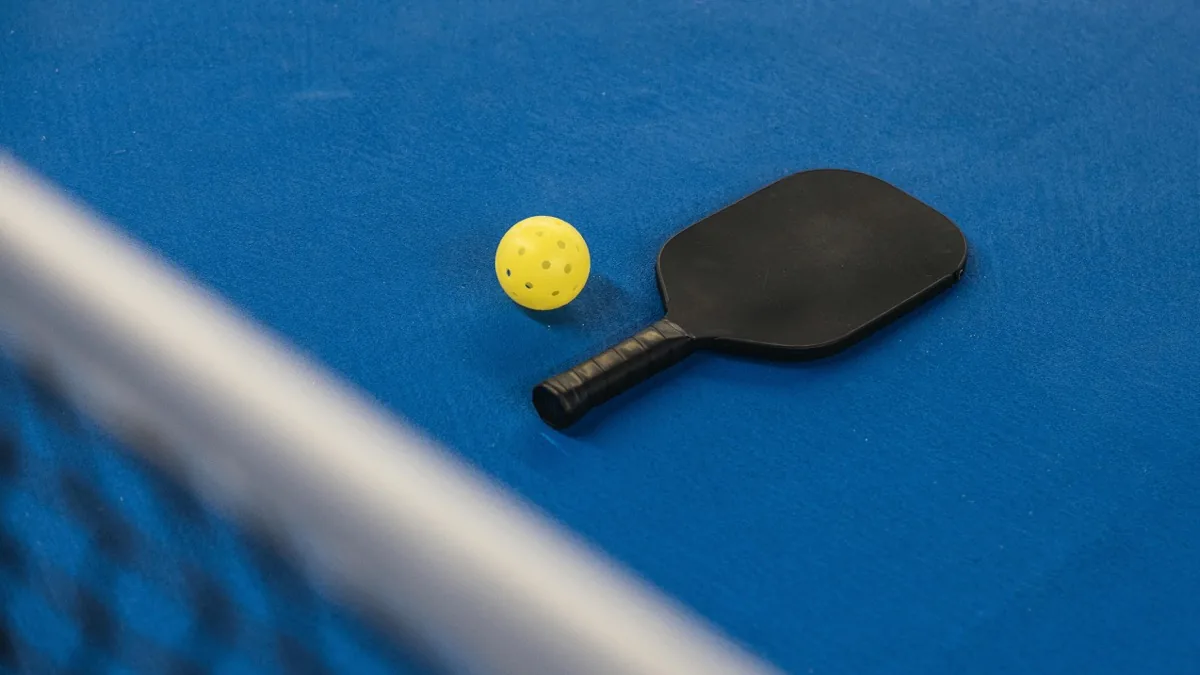
The Tournament Ball Mix-Up
I grabbed the wrong tube from my garage. Simple mistake, right?
Except it made me look like a complete amateur in front of people I was hoping to impress.
USA Pickleball recommends approved balls must meet specific weight and bounce standards.
When Good Balls Go Bad
The balls I brought were fine for indoor play. Soft, quiet, good control.
But this was an outdoor tournament. On concrete courts. In windy conditions.
My soft indoor balls would have been destroyed in about five minutes. Plus they would have flown all over the place in the wind.
The tournament director was actually doing me a favor by stopping me. But it felt humiliating at the time.
I ended up borrowing balls from Gary, this older guy who'd been playing tournaments for years. He just smiled and handed me a tube of Dura Fast 40s.
"Learn something new every day," he said. Nicest way possible to call me clueless.
Official Ball Requirements
Turns out tournaments have strict rules about balls. USA Pickleball approved only.
The list of approved balls is pretty short. Mostly Dura, Franklin, and a few others.
But it's not just about the brand. They have to be the right model, right specifications, right everything.
I spent an hour that night reading through the official equipment standards. Detailed stuff about bounce height, weight, diameter.
Way more complicated than I expected.
What Makes Tournament Balls Different
After my embarrassing debut, I got serious about understanding tournament standards.
Per the PPA Tour, approved balls must meet specific weight and bounce standards.
Consistency Is Everything
Tournament balls have to perform exactly the same way every time. No variation between balls.
In casual play, if one ball bounces a little differently, no big deal. In tournament play, that inconsistency can cost you points.
I tested this with cheap balls versus tournament balls. Hit the same shot 20 times with each.
The cheap balls landed in about a 3-foot circle. The tournament balls landed in maybe an 8-inch circle.
That consistency is worth paying for when games matter.
Durability Under Pressure
Tournament balls need to last through multiple matches without degrading.
In my first tournament, we played five matches over six hours. The same balls for the whole event.
By the end, cheaper balls would have been noticeably softer. Tournament balls felt exactly the same as they did at the start.
That consistency matters when you're trying to perform under pressure.
Weather Resistance
Outdoor tournaments happen in all kinds of conditions. The balls need to handle it.
I've played in tournaments with wind, heat, humidity, even light rain. The same balls performed consistently through all of it.
Cheap balls would have been unpredictable. Hard to judge shots when the ball flight changes with conditions.
Tournament Ball Preparation
Good tournament players do things with balls that never occurred to me.
The Warm-Up Ball Ritual
I watched Gary prep balls before our semifinal match. He bounced each one on the court, squeezed them, even spun them to check roundness.
Seemed excessive until he found one ball that bounced about 6 inches lower than the others. Defective ball that would have affected play.
Now I do the same thing. Takes two minutes but eliminates surprises during matches.
You don't want to discover a dead ball during a crucial point.
Ball Rotation Strategy
Some players rotate balls after every few games to ensure even wear.
I thought this was overthinking it. But in a long tournament, balls do get worn down.
The balls that get used for serves and returns take more abuse than balls that only see soft volleys.
Rotating them keeps all balls playing similarly throughout the event.
Backup Ball Planning
Always bring more balls than you think you need.
In my second tournament, a ball cracked during the final match. Had to pause the game while someone found a replacement.
Broke my concentration right when I needed it most. Lost that match partly because of the interruption.
Now I bring at least six tournament-quality balls to every event. Better to have extras than get caught short.
Cost vs. Performance Reality
Tournament balls are expensive. About $3 per ball for the good ones.
But in tournament play, they're worth every penny.
When to Use Premium Balls
For actual tournament play, use only the best balls. Don't try to save money here.
For practice leading up to tournaments, also use good balls. You want to be used to how they play.
But for casual games, cheaper balls are fine. No point wearing out tournament balls on casual play.
Ball Lifespan in Competition
Good tournament balls can last through multiple events if you take care of them.
I have a set of Dura Fast 40s that I've used in four tournaments. Still play like new.
The key is only using them for tournaments and storing them properly between events.
At $3 per ball, making them last is important for the budget.
Building a Tournament Ball Collection
I keep two types of tournament balls in my bag.
Dura Fast 40s for most outdoor tournaments. They're the gold standard.
Franklin X-40s as backups. Slightly different feel but also tournament approved.
Having options means I can adapt if conditions favor one ball over another.
It's like having different clubs in golf. Different tools for different situations.