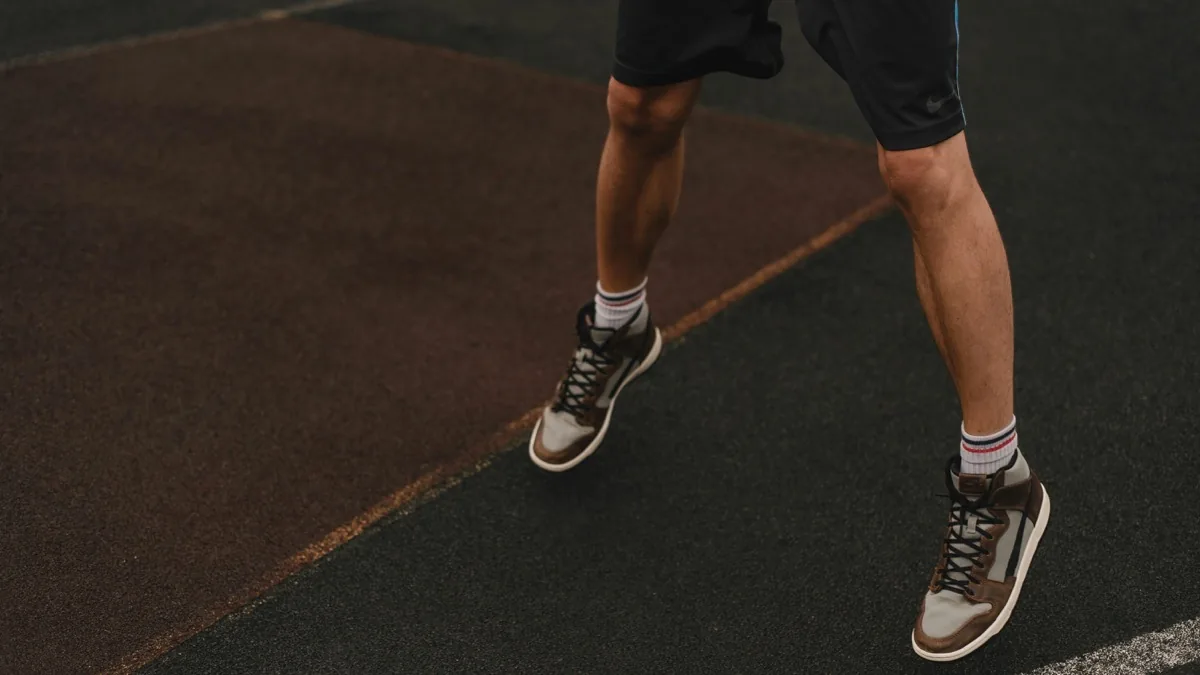
The Injuries That Taught Me
I'm not clumsy. I don't trip over my own feet. But I kept rolling my ankles during normal pickleball movements.
First Injury: A Warning I Ignored
Playing doubles, moved sideways to cover a wide shot. My ankle just rolled over. Sharp pain, but I could walk on it.
Figured it was a fluke. Maybe I stepped wrong or the court was slippery.
Iced it that night, played again the next week. Same running shoes. Because obviously the shoes weren't the problem, right?
Second Injury: The Wake-Up Call
Three months later, same thing. Lateral movement to get a ball, ankle rolled, but this time I heard it pop.
Couldn't put weight on it. Had to sit out the rest of the match.
My partner drove me to urgent care. The doctor asked what shoes I was wearing when it happened. I showed him my running shoes.
He just shook his head and said 'Court sports, court shoes. Running shoes don't support lateral movement.'
The Physical Therapy Lesson
During PT, the therapist explained how running shoes are built for forward motion. The heel-to-toe drop and cushioning actually make you less stable for side-to-side movement.
She said she sees this injury all the time. Tennis players, basketball players, pickleball players. All wearing the wrong shoes.
Made me feel stupid, but at least I wasn't alone in my stupidity.
What Makes Court Shoes Different
After the injuries, I actually researched what makes court shoes work for pickleball. Wish I'd done this sooner.
As the Mayo Clinic points out, warming up before physical activity reduces injury risk significantly.
According to ACE Fitness, dynamic stretching before play is preferable to static stretching.
Lateral Support Actually Matters
Court shoes have reinforced sides to keep your foot stable during sideways movements.
Running shoes don't need this because runners move forward. The sides are flexible to allow natural foot motion.
In pickleball, that flexibility is a liability. Your foot can roll over when you push off sideways.
Lower Profile for Better Balance
Running shoes have thick, cushioned heels. Great for absorbing impact when your heel strikes the ground.
But the height makes you less stable. Court shoes sit you closer to the ground for better balance during quick direction changes.
I could feel the difference immediately when I tried proper court shoes. Felt more planted, more stable.
Outsole Designed for Courts
Running shoe treads are designed for pavement or trails. Court shoes have patterns that grip indoor and outdoor court surfaces without being too aggressive.
My running shoes would sometimes slip on indoor courts or feel too sticky on outdoor courts. Court shoes worked on both.
The Court Shoes That Fixed Everything
After my second injury, I finally bought proper court shoes. Should've done it months earlier.
Immediate Confidence Boost
First time playing in court shoes, I could tell the difference during warm-up. Felt stable making quick movements.
No more thinking about my ankles during play. I could focus on the ball instead of worrying about falling over.
Sounds dramatic, but the fear of re-injury had been affecting my game more than I realized.
Better Performance Too
Not only were court shoes safer, they actually helped my game. Better traction meant quicker first steps. More stable base meant better shots.
I could get to balls I'd been missing before. Recovery time between shots was faster.
Who knew proper footwear could improve your pickleball?
No More Ankle Issues
Been playing in court shoes for over a year now. Zero ankle problems.
Same courts, same movements, same playing style. The only difference is proper shoes.
The $80 I spent on court shoes was way cheaper than my $400 injury bills.
What to Look for in Court Shoes
Not all court shoes are the same. Here's what actually matters for pickleball.
Non-Marking Soles
Most indoor courts require non-marking soles. Black rubber leaves scuff marks.
Look for gum rubber or white soles. They won't damage gym floors.
Learned this when a gym employee told me my shoes were marking up their floor. Embarrassing.
Durability for Outdoor Courts
If you play on outdoor courts, prioritize durability. The rough surfaces eat through soft rubber fast.
My first pair of court shoes wore out in three months because I played mostly outside.
Second pair had harder rubber compounds. Lasted over a year of regular outdoor play.
Fit Is Critical
Court shoes need to fit snugly without being tight. Your foot shouldn't slide around inside during lateral movements.
I tried on shoes in the evening when my feet were slightly swollen from being on them all day. Better representation of how they'd fit during play.
Half size smaller than my running shoes ended up being perfect.