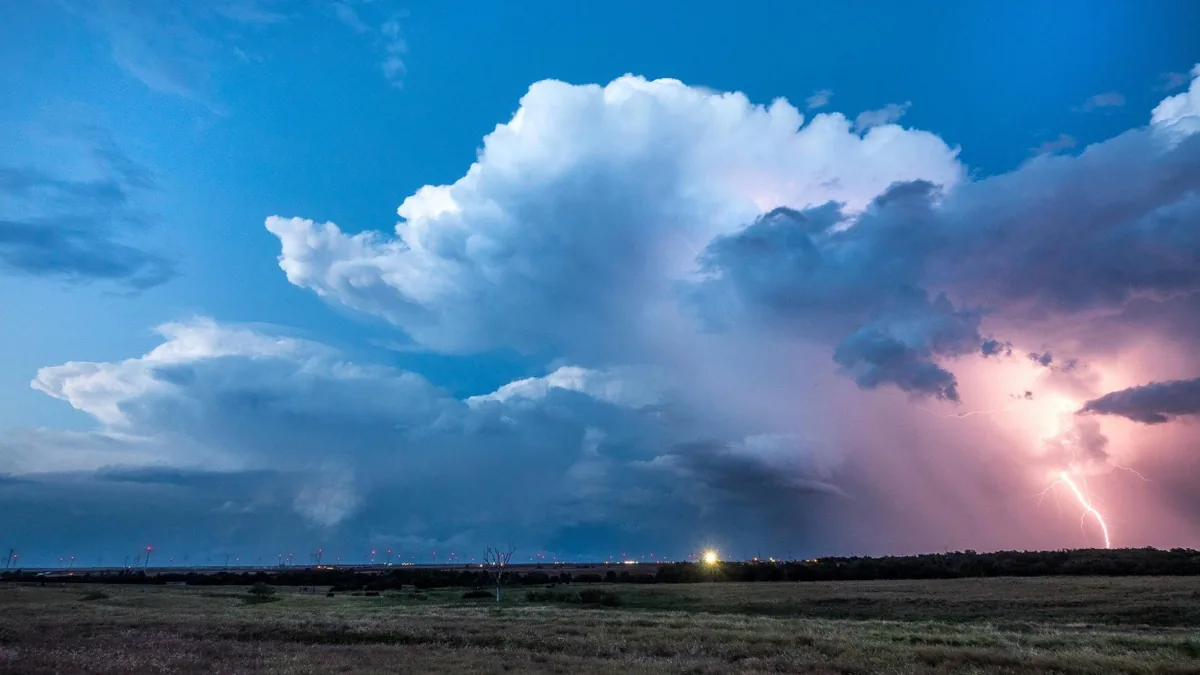
What 20 MPH Wind Actually Does
Wind in the abstract sounds manageable. Twenty miles per hour does not seem like a huge number. The reality on a pickleball court at that wind speed is completely different. The ball flight is altered on every shot. Lobs are essentially unhittable. Drops that would land in the kitchen at calm courts sail past the baseline or fall into the net depending on which direction you are hitting.
The most disorienting part for me was the cross-court dink game. I rely heavily on cross-court dinks at home, and at McKinley the wind was strong enough that the same shot I have practiced for years would either curl past the sideline or float harmlessly into the net. I could not predict what was going to happen with any consistency until I had played for about forty minutes.
The Mental Adjustment
Tyler told me on the bench between games that the first thing I had to do was stop being surprised. Every shot in heavy wind is going to do something unexpected. If you mentally flinch every time the ball does not go where you intended, you fall behind in the rally and start making worse decisions. The good local players accept that 30 percent of their shots are going to be affected by wind in ways they cannot fully control, and they play the percentages on the other 70 percent.
Adjustments That Started Working
By the second game on that first morning, I had started making changes that helped. Tyler's regular doubles partner Hannah Burch had been playing OKC outdoor courts for four years and offered specific advice between games that turned things around for me.
The first adjustment was to flatten out my shots. I usually hit with moderate topspin on drives and slight backspin on resets. In heavy wind, both of those spin patterns get exaggerated unpredictably. Topspin into the wind dies short. Backspin with the wind floats long. Hannah recommended hitting flatter, with less spin, and trusting the placement rather than the spin to win the point.
The second adjustment was to play different sides differently. Into the wind, you need more pace to get the ball to the back of the court. With the wind, you need less. This sounds obvious in writing but is hard to actually apply mid-rally. Every shot you hit toward your opponent has to factor in wind direction relative to your shot direction. It took me probably ten games to start doing this without conscious thought.
The third adjustment was patience. Wind rewards patient play. Going for winners in heavy wind is a losing strategy because the ball does not do what you want. The local players who consistently won games we played were not the ones who hit hardest. They were the ones who kept the ball in play, took fewer risks, and waited for the wind to mess up their opponent before pressing.
Ball Choice Matters
Hannah handed me a Franklin X-40 in the second game and told me to use it instead of the lighter ball I had brought from home. The X-40 is one of the heavier outdoor balls available, and the difference in flight stability was immediately noticeable. Lighter balls in OKC wind get pushed around constantly. The X-40 held its line much better, and my placement improved within a single game.
Day Two: Different Wind, Different Game
The second morning Tyler took me to Earlywine Park on the south side. I expected the same conditions and prepared accordingly. The wind that morning was completely different. It had shifted to a north wind overnight at maybe 8 to 10 miles per hour, and the courts were almost playable in a normal way. I was relieved at first, but Tyler warned me that wind direction matters more than wind speed in OKC.
What he meant became clear within an hour. The north wind was lighter but it was gusting unpredictably. Stretches of two or three minutes would be calm, then a gust would come through that completely changed the conditions. Adjusting from calm to gusty in the middle of a rally is harder than playing in steady wind. You think you have figured it out, then the wind picks up exactly when you are hitting a drop shot, and the ball sails ten feet past the baseline.
Earlywine has more tree cover than McKinley, which created interesting effects. The wind would be strong on one half of the court and almost calm on the other half. Playing the same kind of shot from one side versus the other required completely different adjustments. The local players had this mapped in their heads. I did not, and it showed.
Equipment Choices for OKC
By the end of the second weekend I had a list of equipment changes that the regulars at McKinley and Earlywine universally recommended for OKC conditions. None of these are revolutionary, but they all matter when you play in this kind of wind regularly.
A heavier paddle helps. Most OKC players I talked to use paddles in the 8.0 to 8.4 ounce range rather than the lighter 7.6 to 7.8 ounce paddles I see more often in the Pacific Northwest. The extra mass stabilizes the paddle against wind resistance on swings.
A polymer core with thicker construction adds further stability. The control benefits of a 16mm polymer core matter more in wind than at calm courts. The added dwell time on the paddle lets you direct the ball more precisely when wind is trying to push it off course.
Hats with secure fits become essential. Several players I talked to had gone through multiple hats that blew off mid-rally before finding ones that stayed put. Hannah recommended a hat with an adjustable back strap and a low profile that catches less wind. According to a piece on outdoor play in the Oklahoman, the metro's pickleball growth has driven specialty gear retailers to stock equipment specifically suited to Plains conditions.
What I Took Home
Flying back to Seattle that Monday I thought about what the two weekends had taught me beyond just playing in wind. The biggest takeaway was that local players in different regions develop genuinely different games based on what their conditions demand. The Seattle players I learn from are mostly indoor regulars who play technical, spin-heavy games on predictable surfaces. The OKC players Tyler and Hannah hang out with have built games designed for variable conditions, with bigger margins, less spin, and more patience.
Neither approach is wrong. They are responses to different problems. Playing in Oklahoma City for two weekends made me a better player back home too, because I started thinking about margins differently. Some of my old shots had less margin than I realized, because I had never been forced to question them. Wind exposes shots that look fine in calm conditions but are actually fragile.
If you visit OKC and want to play, do not skip the experience because you think the wind will ruin it. The local players know how to handle it, they are friendly about explaining things, and the metro has more good pickleball than most people expect. Just bring a heavier paddle, plan for early morning sessions, and accept that your first hour is going to feel weird.