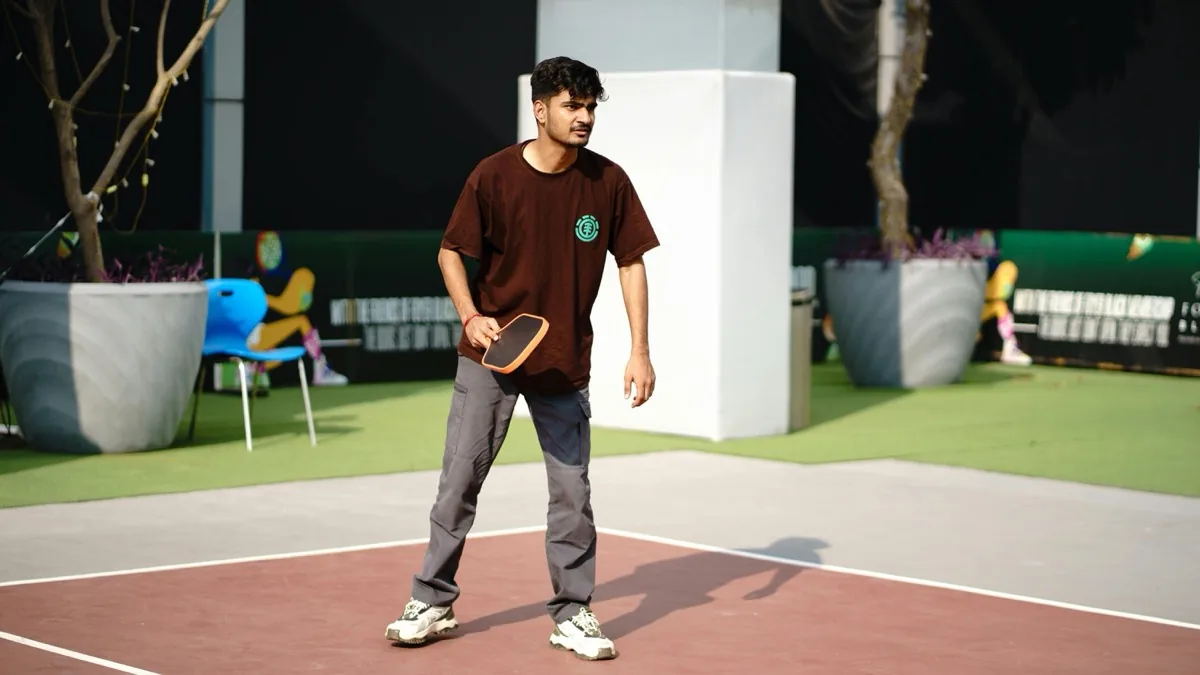
My Dinking Disasters
First few months playing, I treated every shot like a power opportunity. Someone hit a soft ball to me, I'd try to put it away.
Worked about as well as you'd expect.
The Helen Humiliation
Helen barely looked like she was trying. Just stood at the net, gently tapping balls back and forth.
Every time I tried to attack, she'd just redirect my shot to an open spot. Made it look effortless.
I was sweating, grunting, swinging as hard as I could. She was having a casual conversation with her partner between points.
"Try hitting it softer, dear," she suggested after I blasted another ball into the fence.
I thought she was being condescending. Turns out she was trying to help.
The Power Shot Trap
I'd get into these dinking rallies and always be looking for the kill shot. Ball comes up slightly, I'd wind up and blast it.
Ninety percent of the time, it went into the net or sailed long.
The few times I hit it in bounds, the other team was ready for it. Easy put-away for them.
I was doing exactly what they wanted me to do. Getting impatient and making mistakes.
My partner Dave finally said, "Just keep it low and wait for them to mess up." Simple advice that I ignored for way too long.
Learning to Actually Dink
After getting schooled by Helen and about ten other players, I swallowed my pride and asked for help.
Turns out dinking isn't about being passive. It's about being smart.
The Soft Touch Breakthrough
Gary, this guy who's been playing for years, spent an hour teaching me to hit soft shots.
"Pretend you're catching the ball with your paddle," he said. Weird advice, but it worked.
Instead of swinging through the ball, I started letting it hit my paddle and just guiding it over the net.
First few attempts were awful. Balls plopping in the net, barely making it over.
But after about 20 minutes, something clicked. I could actually control where the ball went.
That feeling of control was addictive. Way more satisfying than hitting random power shots.
The Patience Problem
Hardest part wasn't the technique. It was waiting.
Dinking rallies can go on forever. Twenty, thirty shots back and forth. I'd get antsy and try to end it too early.
Gary taught me to think of dinking like a chess match. You're not trying to win immediately. You're trying to force your opponent into a mistake.
"Let them get impatient first," he said.
Once I started thinking that way, dinking got way more interesting. Instead of mindless tapping, it became strategic.
Target Practice
Just hitting the ball back isn't enough. You need to place it somewhere specific.
I started practicing hitting to different spots. Forehand corner, backhand corner, right at their feet.
The key is making your opponent move. Even a little bit. If they can stand still and hit comfortable shots, you're not doing it right.
I'd practice hitting to the same spot three times, then suddenly change direction. Keeps them guessing.
Dinking Strategy That Actually Works
After months of practice, I finally understood what good dinking players are really doing.
As the PPA Tour points out, proper form reduces injury risk while improving shot accuracy.
Data from USA Pickleball shows consistent practice of fundamentals leads to faster improvement.
The Setup Game
Good dinking isn't random. Every shot has a purpose.
You're trying to pull your opponent out of position, or force them to hit upward, or make them stretch for a shot.
I learned to hit three or four shots to one side, then suddenly go to the other side. Most people fall for it.
Or hit a couple shots wide, then drop one right at their feet. Forces them to change their positioning.
It's like playing pool. You're not just hitting the ball you're aiming for. You're setting up the next shot.
The Mental Game
Dinking is at least 50% mental. Maybe more.
You're trying to outlast your opponent's patience. Make them crack first.
I used to get frustrated when dinking rallies went long. Now I love them. Every shot they have to make is another chance for them to mess up.
Plus it's exhausting for people who aren't used to it. I've seen players get visibly tired from long dinking rallies.
Stay calm, stay patient, and wait for your opportunity.
When to Attack
Eventually, someone will hit a ball that sits up. That's your moment.
But you have to be selective. Not every ball that comes up is attackable.
If the ball is shoulder-high or higher, that's usually a good attack opportunity. Anything below the net, keep dinking.
I learned to recognize the difference between a good attack ball and a trap. Took a lot of mistakes to figure it out.
Now when I see a good attack opportunity, I commit fully. No half-hearted swings.
Common Dinking Mistakes I Made
Looking back, I made the same mistakes over and over before finally learning.
Hitting Too Hard
Even when I was trying to dink, I'd hit the ball too hard. Old habits die hard.
The ball would clear the net but land deep in their court. Easy put-away for them.
I had to consciously practice hitting softer than felt natural. Took weeks to recalibrate my feel.
Now soft shots feel normal. Hard shots feel weird and uncontrolled.
Not Moving My Feet
I'd plant my feet and try to reach for balls instead of moving to them.
Led to a lot of awkward shots and poor positioning.
Good dinking requires constant small adjustments. Take a step here, shuffle there.
Once I started moving my feet more, my shots got way more consistent.
Ignoring My Partner
In doubles, dinking is a team effort. I was trying to do everything myself.
Your partner can help by covering areas you can't reach, or by communicating what they see.
Now my partner and I talk during dinking rallies. "Mine," "yours," "switch." Simple stuff that makes a big difference.
Good dinking partnerships are like dance partners. Takes practice to get in sync.